
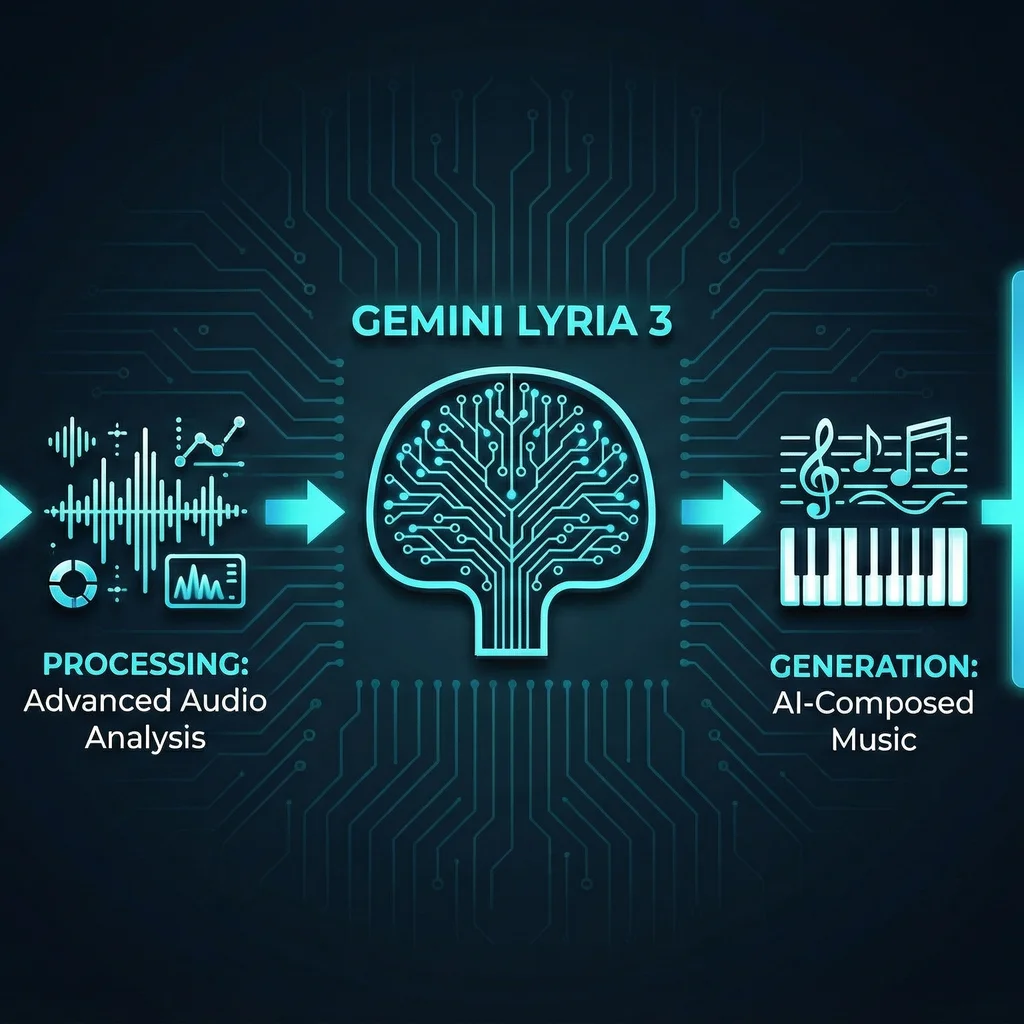
When Google Gemini Lyria 3 music creation landed in the hands of 750 million users, the landscape of audio production shifted overnight. No longer reserved for trained musicians or professional studios, AI-generated music is now accessible to marketers, solo creators, and small businesses worldwide. The result? Custom, high-quality music is becoming as easy as typing a prompt—and the implications for content, branding, and creativity are enormous.
Google just rolled out music generation to 750 million Gemini users. The barrier to entry for custom audio has officially hit zero.
Whether you’re building podcasts, social videos, ad spots, or brand campaigns, Gemini Lyria 3 shatters technical barriers. You describe the genre, vibe, or even an inside joke—and Lyria delivers 30 seconds of original music in seconds. For small businesses, the opportunity to differentiate and engage with affordable, bespoke sound is real and immediate.
So, what does Gemini Lyria 3 actually change? At its core, Lyria 3 integrates directly into the Google Gemini app, meaning it’s just a tap away for one of the world’s largest user bases. But the real transformation is in ease-of-use and creative flexibility:
This shift means musical creativity is becoming more like using AI image or text generators. You don’t need expertise—you just need intent. Lyria 3’s output can be plugged directly into videos, ads, podcasts, or background tracks, accelerating content workflows and shrinking turnaround times for teams.
Before Gemini Lyria 3, AI music generation was dominated by niche platforms with paywalls, learning curves, or limits on track quality. Professional audio required:
These obstacles made custom music difficult for content marketing and SMBs. Many would simply default to stock music, risking generic branding, or skip audio altogether. It was a landscape that benefitted big creative budgets, not businesses with limited resources.
For most solo creators and small businesses, producing unique, high-impact music either cost too much or took too long to be practical for daily content needs.
With Lyria 3, Google Gemini for creators truly democratizes audio. Why is this such a leap forward?
For small business owners, this opens doors to podcast branding, custom ad jingles, and video soundtracks—without hiring composers or buying pricey software. The playing field between corporate marketing and independent creators just slanted toward opportunity, not budget.
The rollout of Lyria 3 impacts more than just musicians. AI tools for marketers, content creators, and solo entrepreneurs mean:
According to Entrepreneur.com's 7 AI tools for solopreneurs, leveraging integrated AI is a major catalyst for revenue and reach. Lyria 3 fits squarely into this toolkit—empowering content teams to do more, faster and smarter.
For broader AI project planning—especially when integrating audio with other content workflows—model-agnostic frameworks (like our approach described on AI Project Setup) keep your options open and future-proof.
With every disruptive tool, downstream effects follow. As AI music generation becomes standard:
Key takeaway: Lyria 3 isn’t merely a tool—it's a catalyst for new forms of creative collaboration and brand expression.
These second-order impacts will continue to shape how content teams, agencies, and small businesses structure their creative strategies. Flexibility, experimentation, and a model-agnostic mindset mitigate risks of vendor lock-in, as explored in CTO Magazine's strategic guide.
If you’re ready to harness content creation with AI and embrace Lyria 3 features in your organization, it takes just a few steps:
As the landscape evolves, consider systems that let you switch between Google, OpenAI, Anthropic, or open-source models according to cost or creative needs. This 'model-agnostic' approach—core to how we help businesses remain agile through rapid changes—reduces the risk of being locked in as AI tools evolve.
Ready to build smarter, model-agnostic content workflows? If you want to learn how AI-powered audio and model-agnostic strategies can amplify your marketing and streamline your content operations, our integration leads are ready to help you chart a path that fits your business and isn't locked to any one tool.
Source
Google Blog
Kansas Impact
Small businesses, creators, and marketers in Kansas now have instant access to affordable, high-quality music creation tools—leveling the playing field, enabling local brands to stand out, and reducing creative costs in marketing campaigns.
Key Takeaway
Lyria 3 democratizes professional music generation, making custom audio accessible to every business and content creator—not just those with big budgets or technical expertise.