
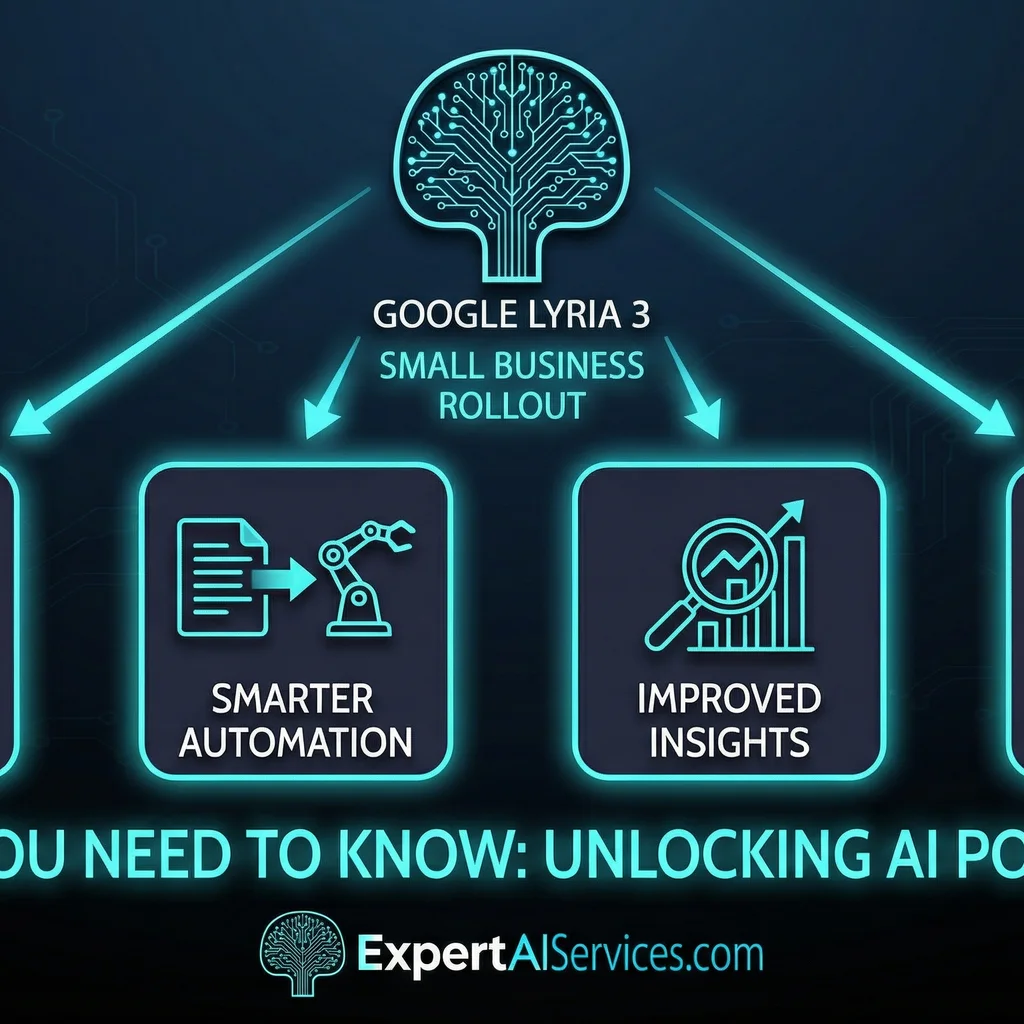
The Google Lyria 3 rollout for small business isn’t just another tech headline—it marks a turning point for local marketers, field teams, and small business owners seeking practical ways to improve content, connect with customers, and stand out digitally. With Lyria 3, creating custom AI-generated music and audio is accessible to everyone, regardless of budget or expertise. Let’s break down what this means for your business, what’s changed, and actionable next steps to compete smarter in a cluttered market.
The release of Google Lyria 3 marks a milestone for AI content tools for local businesses. Unlike previous iterations, the Lyria 3 rollout for small business is about much more than new features—it’s a seismic shift in how small teams access, create, and integrate AI-generated music and soundtracks directly into their marketing and operations. With over 750 million users already engaging with Gemini-powered creation tools, Google’s direction is clear: AI-generated content is moving from experimental to everyday utility.
"The barrier to entry for custom audio has officially hit zero. Go open your chat, upload a random photo from your camera roll, and see what it sounds like." — Google's official Lyria 3 announcement
Lyria 3 relies on responsible training, robust filtering, and clear marking of AI-generated content to address legal and ethical issues. These practices are vital for business owners wary of copyright lawsuits or unintentional misuse.
Finding good, affordable background music used to be a major pain point for small operations. Now, the Lyria 3 content creation model hands creative control to every field team, social account, or marketing coordinator—not just those with a studio budget.
With image-to-music and video-to-music capabilities, field teams and marketers can deliver content that truly stands out. Imagine posting job site updates, customer testimonials, or educational clips—each paired with a custom-generated soundtrack tuned to match your story or locale.
If you make content, you know the struggle of finding good, royalty-free background music that actually fits the vibe of your video.
While the potential is huge, the Google Lyria 3 rollout for small business isn’t without challenges. Understanding both sides is key to making informed marketing decisions as AI content tools mature rapidly.
Key takeaway: AI-generated music is as much about workflow transformation as it is about creativity. The biggest winners will combine automation with Midwest common sense—balancing new tech with a grounded brand voice.
Adjusting your field-tested marketing habits to embrace Lyria 3 features for marketers means letting AI work for you—not the other way around. Most small businesses benefit by integrating AI music generation into platforms and campaigns they’re already running.
For those considering a step up in automation—not just for music, but for document handling, routing, and customer outreach—see how regional leaders build trust with custom AI in our company background and learn from the applied approach behind our omnichannel AI agent deployments.
The smartest play for small businesses facing the Google Lyria 3 rollout for small business isn’t to overhaul everything overnight. Instead, start small—experiment, collect feedback, and refine your content approach.
The businesses making the most of AI-generated content aren’t chasing every new tool—they’re using the right ones to free up real people for higher-value work and better local service.
Ready to simplify your content strategy and cut manual effort? Let’s explore how custom AI can transform your business workflows. For a practical, model-agnostic approach led by experienced Midwest specialists, talk with an AI integration lead today.
Source
Google Blog
Kansas Impact
Lyria 3 lowers the technical and cost barriers for Kansas and Midwest businesses to create branded, compliant marketing audio, fostering local competition and creative flexibility.
Key Takeaway
Lyria 3 makes AI-generated music practical for small businesses, but the key is combining quick automation with a strong, human brand voice.